Systems Thinking in Notion
Systems Thinking – It is a way of thinking that focuses on seeing the whole, understanding relationships, feedback, and dynamics within a system.
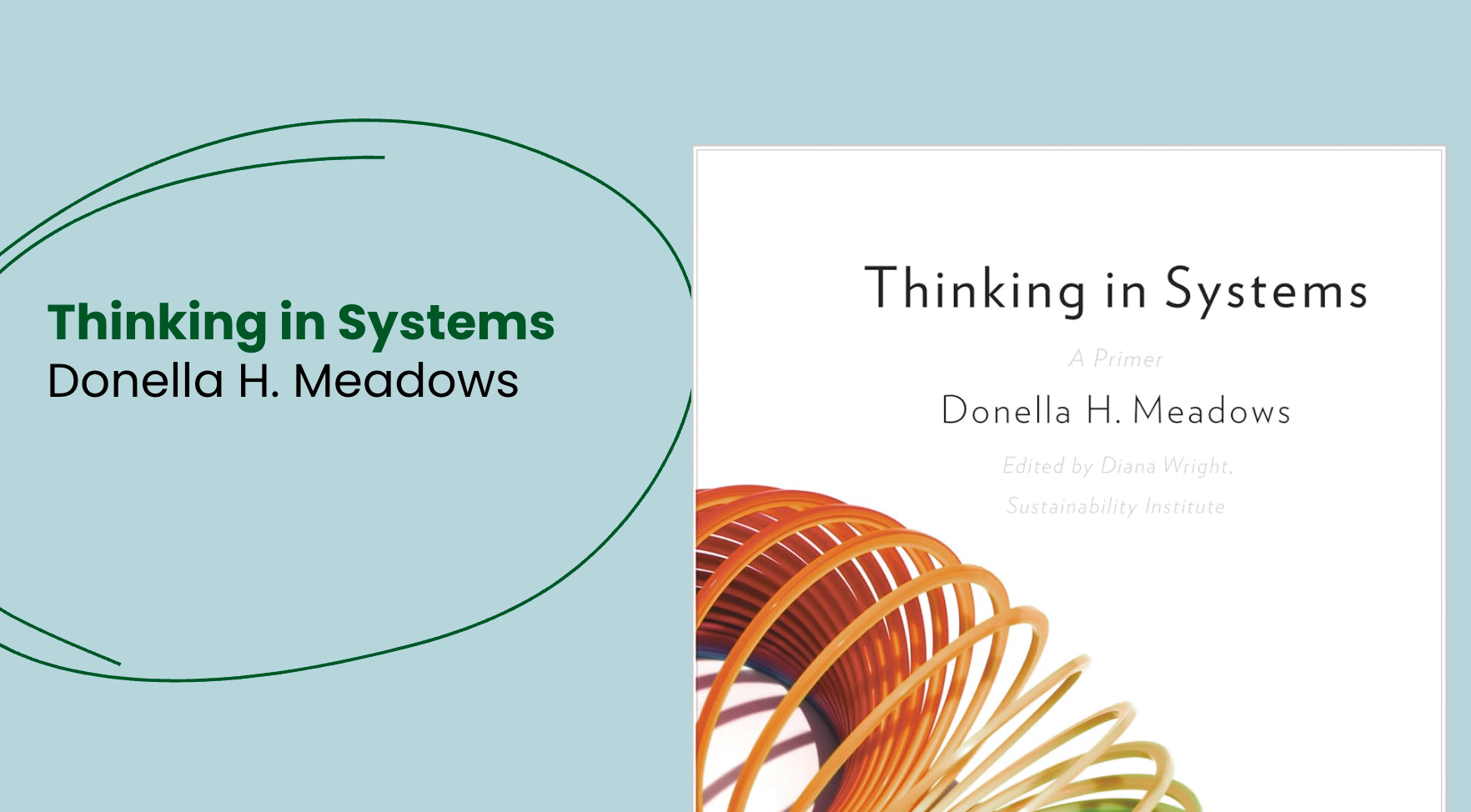
Systems Thinking in Notion: The Essential Philosophy for Organized Work
The modern environment demands that we constantly justify the relevance of our plans and strategies by addressing the challenges our industry faces right now. To truly succeed, we must move beyond isolated tasks and adopt a holistic view: Systems Thinking.
What is Systems Thinking?
Systems Thinking is a way of analyzing the world by observing how the parts of a system interact, rather than viewing them in isolation. It focuses on seeing the whole, understanding relationships, feedback, and dynamics within a system.
- Elements are the parts of the system.
- Connectors represent dynamic relationships, which are the most powerful aspect of a system.
- The system’s purpose (or estado de propósito) is what the system does, though this is often not its true or intended purpose.
Examples of systems can be found everywhere, including public health, education, and software.
Five Key Characteristics of Systems Thinking
Systems thinking encourages a fundamental shift in perspective:
- Holistic approach
- Feedback loops
- Non-linear causality
- Long-term thinking
- PMultiple perspectives
The Three Pillars of a Well-Functioning System
According to Donella H. Meadows, certain characteristics explain why systems function so well:
1. Resilience: This is the ability of a system to recover or “bounceback” (Elasticity). It is the opposite of rigidity and comes from a rich structure of redundant feedback loops, enabling the system to learn from bad experiences (e.g., vaccines). A state of static stability is actually fragile.
2. Self-organization: This is the system’s capacity to make its own structure more complex, contrasting with the rigid rules often found in large organizations.
**3. Hierarchy: **Systems are organized into subsystems (like the human body). Hierarchy is inherently bottom-up and functions because it reduces the amount of information each node must track. Note that subsystems may have conflicting goals or different motivations, which can negatively affect the whole system.
The Bases of Systems Thinking
To analyze or build a system, you must understand its core bases:
- Inputs and Outputs: Define the entry and exit points, check the flow and speed of movement, and identify bottlenecks (which may be a team member).
- Linear/Circular Processes: Differentiate between the two; fundamental functions are usually circular, while non-essential linear elements can be eliminated.
- Repeating Patterns: Systems perpetuate patterns of activity and behavior. Identify, visualize, and analyze these patterns to find where they echo—even finding fractal patterns in internal parts of the system.
- Feedback Loops: These are patterns that either increase (reinforcing) or decrease (balancing) themselves systematically over time. Reinforcing loops continually add resources or momentum to the start of the next cycle (like Amazon’s flywheel business model). Identifying these cycles reveals underlying causality.
- Balancing and Reinforcing Processes: While reinforcing loops are powerful, sustainable systems must have balancing counter-measures to manage equilibrium and prevent derailment.
Applying Systems Thinking in Notion
Systems thinking in Notion is not just about creating structures; it’s the philosophy behind defining priorities and expected results.
Move away from creating isolated pages, templates, or wikis that lack clear ownership, modification history, or validity checks. Instead, design your workspace to:
- Use Dashboards and Databases instead of disconnected pages.
- Organize complex information collections or make workflow elements transparent.
- Prioritize what is most important at any given moment.
- Monitor Feedback Loops by tracking activities that move you closer to your objectives.
- Accumulate Knowledge: Notion facilitates the discovery of complementary ideas by combining documents, notes, and transcripts, allowing the system to surface those ideas at the perfect time and place.